
How to sow and grow brassicas
Brassicas are easy to grow and highly rewarding, offering higher nutritional when picked fresh from your garden.

Sowing
Sow in punnets for all leafy crops and direct in a well-prepared soil for root crops. Brassicas prefer a full sun position in a well-drained fertile soil with a pH between 6 and 7. Before planting out, improve soil with aged compost or well-rotted manure. Most brassicas become large plants so space carefully following the directions on the packet. Weed regularly and mulch to reduce competition.
Care
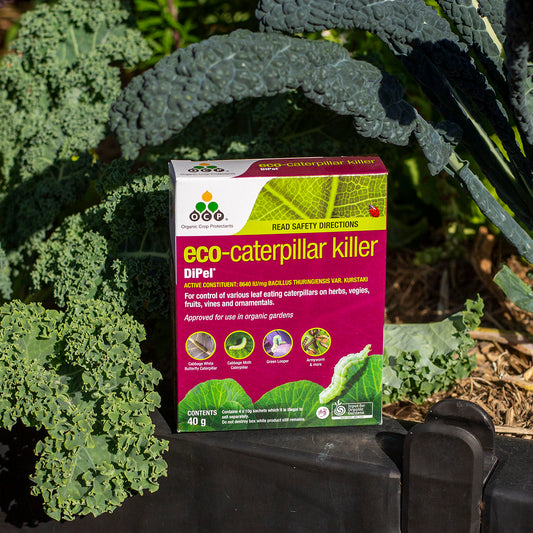
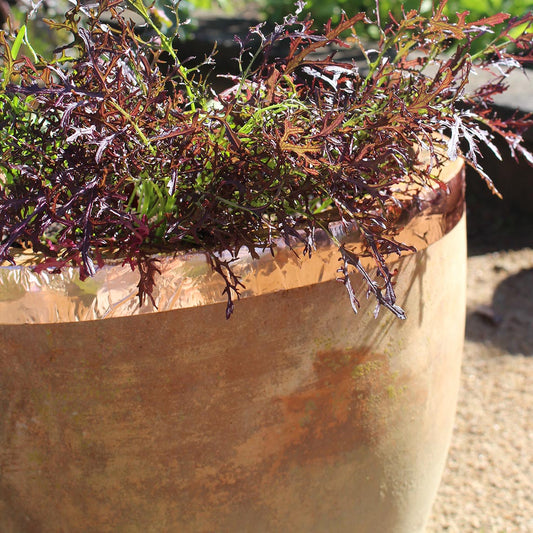
Caring for brassicas is easy and requires minimal effort. They should be watered regularly, especially during dry spells, and fertilised with a complete organic fertiliser for vegetables and herbs. Best grown throughout the cooler months to reduce the likelihood of pests, keep an eye out for Cabbage White Butterfly (and their caterpillars), aphids and whiteflies. Netting is an excellent way to protect brassicas from flying pests without the need for sprays, but if you do need to spray, try something organic like Dipel. Protect all young seedlings from snails and slugs with either iron pellets, copper tape or beer traps. Decoys have also been shown to reduce infestation of Cabbage White Butterfly in our trials garden, while also adding a fluttering decorative element to the garden.
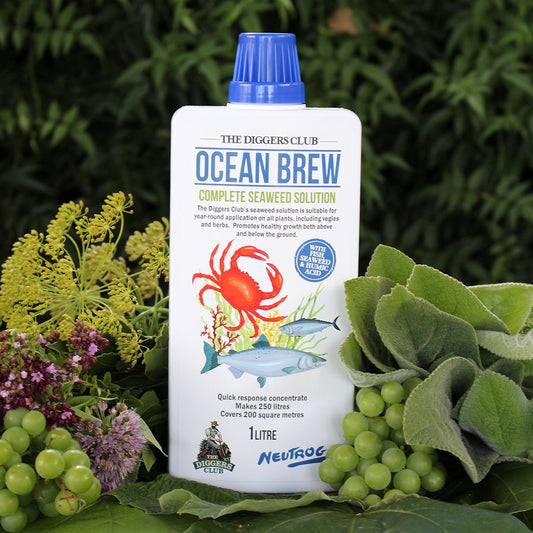
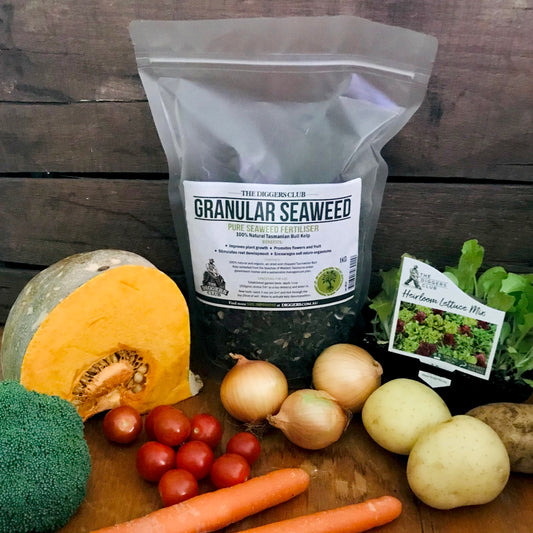
You can also try companion planting, crop rotation and decoy crops to improve the health of your garden, and seaweed tonics like Ocean Brew and Diggers Kelp to keep plants healthy and more resistant to pests.
Growing brassicas is a fun and easy way to add nutritious and delicious vegetables to your diet. With the right variety, soil, and care, you can enjoy a bountiful harvest of healthy and delicious crops for months on end, but don’t delay, you'll need to get your Brussels sprouts sown now!
More in Learn

What is companion planting?
The best thing about companion planting is that it increases the biodiversity of your garden.

How to rotate your crops
Crop rotation is growing a different group of plants successively in the same soil.

Diggers Seed Sowing Methods
For the process of germination to begin, there are certain conditions that need to be met.

All about Fertiliser
Fertilising plants is essential to ensure they grow healthy and strong.Fertiliser contains three necessary components that plants require to grow and survive
Featured Products
Member
$34.80
Retail
$43.50
Member
$16.50
Retail
$22.00
Member
$25.20
Retail
$31.50
Member
$22.80
Retail
$28.50