
What are Fruit Flies?
Fruit flies are destructive pests and can attack up to 300 species of fruit and above ground vegetables.

They reproduce rapidly- full development within 2 weeks and females lay around 500 eggs per batch. We have two main species in Australia, the Queensland fruit fly, Bactrocera tryonia occurs in NT, QLD. NSW and Vic. and the Mediterranean fruit fly, Ceratitus capitata which is only present in WA.
The adult female fruit fly lays eggs in the flesh of ripening and ripe fruits and vegetables. Once, the eggs hatch, the larvae begin to feed within the fruit, causing it to rot and drop to the ground.
When to watch out for fruit flies
Fruit fly numbers tend to increase, usually in spring, when temperatures are warm and there are suitable host plants, namely apples, pears, loquats, berries, grapes, olives, persimmons, tomatoes, and mangoes. You can identify fruit fly attack by seeing little, tiny stings on the fruit, that look like a pinprick, and when the fruit is cut open, little white larvae are present.
How to manage fruit flies
You can manage fruit fly by monitoring its activity and by using a range of control methods such as:
Protect your produce
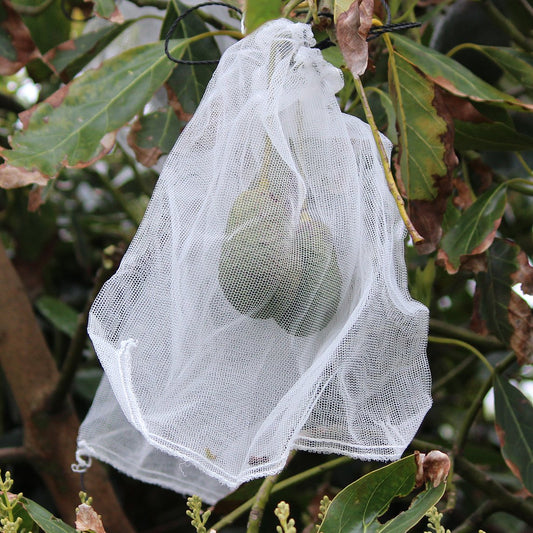
Protecting produce with physical barriers such as insect-proof netting, bagging, and sleeving your fruit.
Reduce the risk
Reduce the risk of attracting fruit fly by practising good garden hygiene; removing fallen & rotten fruit, picking, and using fruit and vegetables as they ripen and removing any unwanted or neglected host trees.
Disposal
If fruit fly is present, don’t put untreated produce into your compost or worm farm, or directly into your rubbish or green bin. Instead, seal fruit or vegetables inside a plastic bag and leave it in the sun for at least 14 days to kill any maggots, you can then discard the bagged, treated fruit or vegetables in your rubbish bin.
Monitor
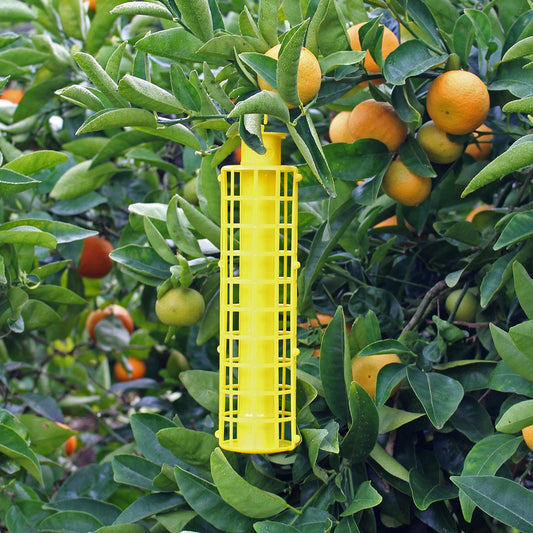
Monitor your garden by installing traps and regularly inspecting ripening fruit for the pest.
Trap
Traps can be used to monitor and reduce adult fruit fly numbers. Baits can also be sprayed or used as gels, combining a fruit fly food attractant and insecticide to attract and kill fruit fly.
Photo attributed by Bronwyn Koll.
Featured Products
Member
$14.97
Retail
$19.95
Member
$35.96
Retail
$44.95