
Perennial vegetables Lifespans
There are many reasons to select perennial vegetables for your patch.

Perennial Vegetables
Growing a variety of perennial edible vegetables can take some of the hard work out of growing annuals. As opposed to an annual plant, which has a life cycle of six months to a year, perennial plants can last 5 to 15 years of more.
Perennial vegetables are often very hardy and low maintenance plants. Many thrive in part shade so are a wonderful option for a shady garden. Plant them once and they will reward you with fresh produce season after season. The bonus is that many varieties are considered gourmet delicacies!
Some perennial favourites:
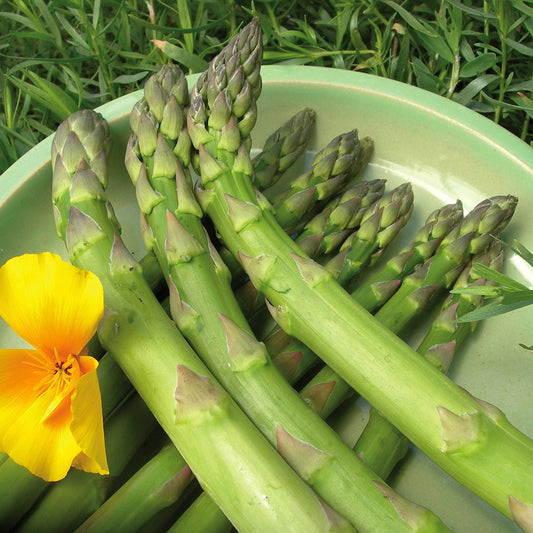
Asparagus
Asparagus can live up to 20 years! They will start producing a good number of spears in their second year, die back every winter and come back each spring
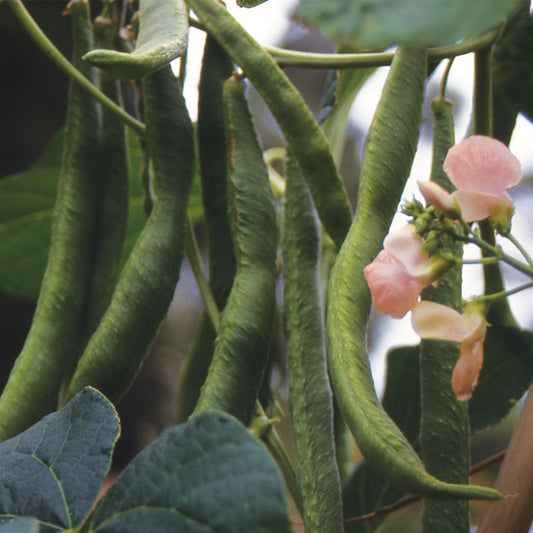
Runner beans
Runner beans live up to seven years. Sow seed direct in spring and provide a trellis for them to grow up.
Black salsify
Black salsify can live for more than two years. Easily divided and re-planted from clumps.
Choko
Choko can live from many years if well looked after. Requires a strong trellis and all parts of the plant are edible.
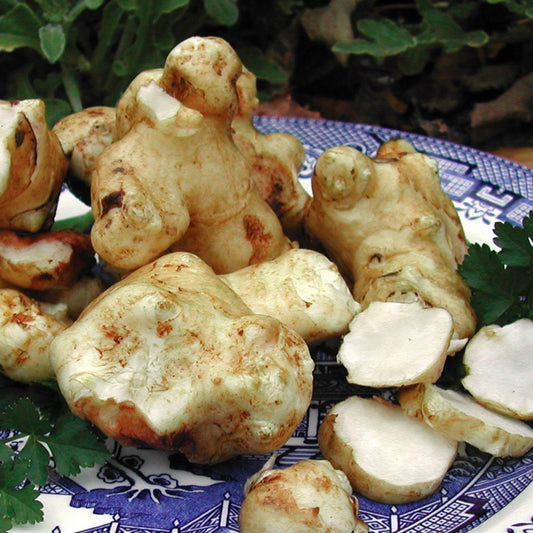
Jerusalem artichoke
Jerusalem artichoke can last for many years by being divided seasonally to maintain productivity and harvested in autumn/ winter when top growth has died down.
Globe artichoke
Globe artichoke can last up to ten years. Harvest when heads are full but before bracts begin to open. Pups can be used to propagate more plants.
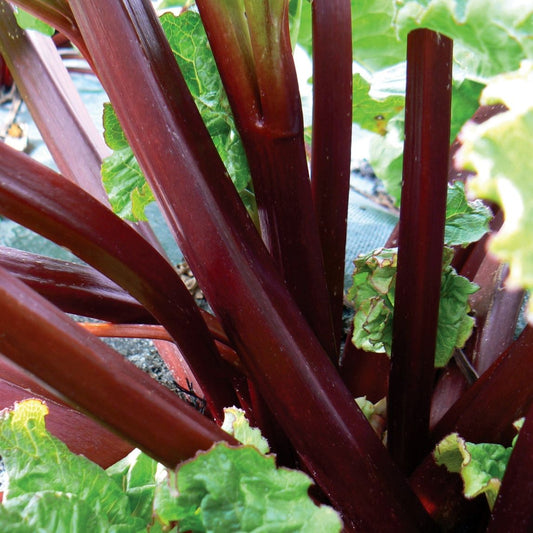
Rhubarb
Divide Rhubarb after 5-7 years by splitting the crown and replanting. Can be harvested in 2nd or 3rd year.
Fennel
Fennel can live for 3-4 years after which time it will need replacing.
Silverbeet
Silverbeet can last two years or more and produces pretty much year-round if given ideal conditions, each plant providing you with many leaves over its lifespan.
Other perennial vegetables are
- arrowroot
- horseradish
- avocados
- sorrel
- perennial basil
- wild rocket
- garlic chives
- perennial leeks
There are many reasons to select perennial vegetables for your patch. They’re usually easy to grow, are often more resilient than fast-growing annual crops, with larger root systems that make them better able to withstand pest or disease attack.
Lastly, they tend to produce better harvests as time goes on, in some cases maintaining their productivity for many years.
Featured Products
Member
$9.72
Retail
$12.95
Member
$9.72
Retail
$12.95
Member
$5.56
Retail
$6.95
Member
$15.16
Retail
$18.95