
Growing tips for success with Wombok
Wombok is a highly versatile, easy to grow brassica suitable for sowing and growing year round.

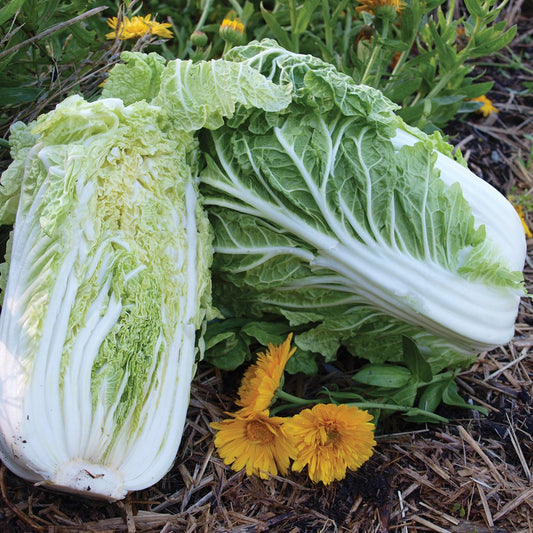
Wombok, also known as Chinese cabbage or Napa cabbage, is a type of cabbage that is widely used in Asian cuisine. The long, pale green leaves are tightly packed and have a mild, sweet flavour. It is known for its crip texture and versatility in cooking. Wombok is also one of the easiest cabbages to grow at home.
Wombok can be eaten raw in salads (Chang’s Noodle Salad is a popular salad), added to stir-fries, soups, stews, or used to make kimchi. Its mild flavour allows it to absorb other flavour well. It’s a great source of vitamins and minerals, making it a nutritious addition to your meals.
Wombok plants are best grown in full sun or part shade, requiring at least three hours of full sun each day. They like well-drained soil enriched with plenty of organic matter, aged animal manure and compost. They can be grown in containers but will require a good quality potting mix and additional fertiliser to encourage healthy growth.
Wombok seeds can be sown directly into the garden or raised in seed trays and transplanted into the garden once established. Plants can be harvested by harvesting outer leaves or as a whole plant by cutting it at ground level.
Some common issues to look for are:
- Bitter taste: caused by plants growing too slowly, suffering a setback in growth or being harvested too late.
- Bolting: Caused by a period of extreme weather.
- Cabbage moth and cabbage white butterfly: Can lay their eggs on the underside of leaves, these caterpillars feed on the leaves, creating large holes and sometimes skeletonising the leaves. Use exclusion netting to prevent butterflies or moths laying their eggs. Especially during spring and summer.
- Heads not forming: Usually caused by warm weather or by growing plants too slowly, without adequate water or nutrients.
- Snails and slugs: can feed on tender leaves and shoots. Pick off snails if visible or place traps or bait with organic snail & slug pellets.
- Whitefly: Plant symptoms are yellowing or wilting leaves and slow growth. Use a jet spray or soap spray to remove.
Wombok can be eaten raw in salads (Chang’s Noodle Salad is a popular salad), added to stir-fries, soups, stews, or used to make kimchi. Its mild flavour allows it to absorb other flavour well. It’s a great source of vitamins and minerals, making it a nutritious addition to your meals.
Wombok plants are best grown in full sun or part shade, requiring at least three hours of full sun each day. They like well-drained soil enriched with plenty of organic matter, aged animal manure and compost. They can be grown in containers but will require a good quality potting mix and additional fertiliser to encourage healthy growth.
Wombok seeds can be sown directly into the garden or raised in seed trays and transplanted into the garden once established. Plants can be harvested by harvesting outer leaves or as a whole plant by cutting it at ground level.
Some common issues to look for are:
- Bitter taste: caused by plants growing too slowly, suffering a setback in growth or being harvested too late.
- Bolting: Caused by a period of extreme weather.
- Cabbage moth and cabbage white butterfly: Can lay their eggs on the underside of leaves, these caterpillars feed on the leaves, creating large holes and sometimes skeletonising the leaves. Use exclusion netting to prevent butterflies or moths laying their eggs. Especially during spring and summer.
- Heads not forming: Usually caused by warm weather or by growing plants too slowly, without adequate water or nutrients.
- Snails and slugs: can feed on tender leaves and shoots. Pick off snails if visible or place traps or bait with organic snail & slug pellets.
- Whitefly: Plant symptoms are yellowing or wilting leaves and slow growth. Use a jet spray or soap spray to remove.
Featured Products
Member
$4.17
Retail
$5.95
Member
$4.17
Retail
$5.95
Member
$4.17
Retail
$5.95