Grasshoppers in the garden

Grasshoppers
Grasshoppers can be a big nuisance in the garden, feeding on plant leaves, shoots, and roots. They only cause trouble when appearing in large numbers and only a handful of species form swarms.
These jumping insects eat the leaves and stems of plants and can destroy a backyard in no time if the infestation is large. They can range from 1cm to 7cm long depending on the species, with two pairs of wings, large eyes and are usually brown, grey or green.
There are two main types: long horned and short horned grasshoppers. There are over 500 species in Australia. The common green Vegetable Grasshopper is found in the eastern coastal areas, the Giant grasshopper is Australia’s largest grasshopper, found north of Sydney in sub-tropical and tropical regions.
Grasshoppers are often hard to control as they move so quickly, covering great distances whilst on the move.
How to control grasshoppers in the garden
- Control methods include the use of onion, garlic, and pepper sprays
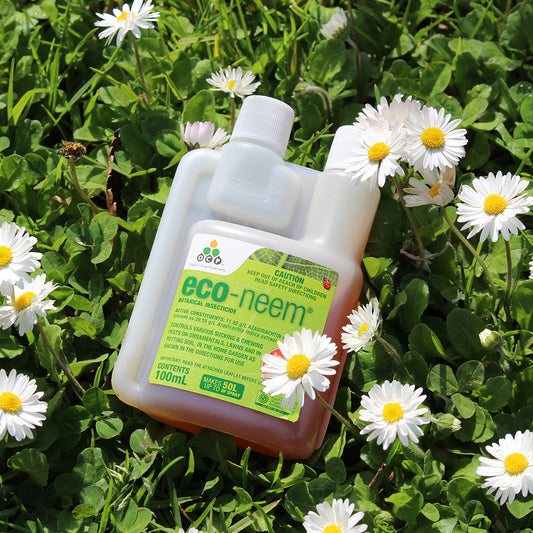
- Neem oil repels grasshoppers and prohibits them from laying eggs on your plants
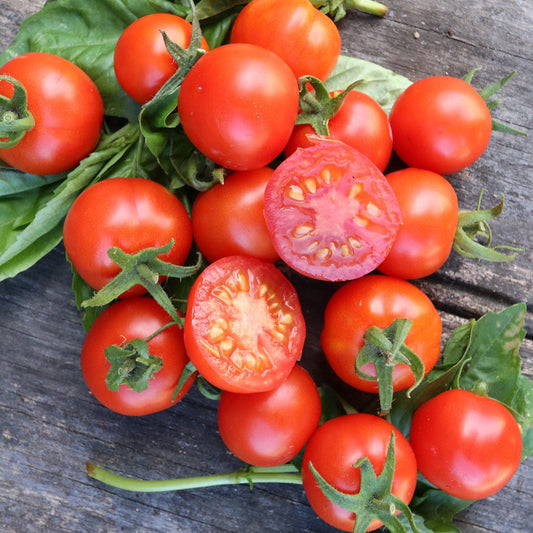
- Planting companion plants like lilac, forsythia and crepe myrtles and introducing plants like garlic, tomatoes and peas into your vegie patch will deter grasshoppers
- Planting beneficial attracting plants like marigolds, calendula, sunflower, aster, alyssum, or dill will attract natural predators
Grasshoppers lay their eggs in soil, although some lay eggs on leaves. The eggs remain dormant until it rains. If you’re trying to deter grasshoppers, aerate your soil to disturb any eggs.
Featured Products
Member
$45.13
Retail
$47.50
Member
$21.42
Retail
$35.70