Autumn is traditionally harvest time and if your summer plots were successful, you should be in full picking mode, with bumper crops of warm season vegetables and fruits. But you’ll need to get busy planting new crops now to extend your harvest well into the winter months.
Autumn vegetable gardens are my favourite. In temperate zones they are slower, more diverse and require less attention once established than spring and summer vegie gardens. There is also the added bonus of having less pests and diseases around to lay claim to your crops.
For the subtropical and tropical gardener, the range of crops that you can choose broadens as you approach the dry season with less humid conditions and growth in these zones is always fast!
For southern temperate zones, there are a few tricks based around the fact that the crops planted in autumn will have a longer growing season. They will be subjected to cooling temperatures and shortening days, until the winter solstice when the days lengthen again.
These changes in day length are accompanied by temperature variations that initiate certain responses in some plants. In latitudes closer to the equator the variation in day length is not so pronounced. Days are rarely less than 10 hours long and, with consistent warm temperatures, plant growth is not curbed like it is in the south.
So the trick for southerners is planting and choosing crops with these climatic changes in mind. If that sounds a bit technical, it really isn’t and is well worth a try .... especially if you have traditionally been a summer gardener.
There are many vegetables that you can plant during autumn. I suggest fine tuning your choices to include expensive vegetables that you like to use.
Garlic
Organic Australian garlic is a great planting choice for autumn. Garlic is a day length sensitive plant – the cloves respond to the shortening days and cooling temperatures by initiating vegetative and root growth. Once the days lengthen again past the 12 hour mark (the Spring/Vernal Equinox on September 21/22), bulb formation and flowering is triggered. Warming air and soil temperature plus the lengthening of days mature the bulbs so they are ready for harvest in early summer.
Day length neutral varieties such as ‘Glen Large’ and ‘Italian Red’ are good choices for subtropical and tropical gardeners because planting is delayed until later in autumn. Harvesting should ideally be done before December so as to avoid the possibility of the garlic rotting in the ground.
Once the Spring Equinox has passed, plants that have overwintered respond by trying to complete their life cycle, that means they begin to flower and producing seed. So for the temperate zones, the trick is planting crops that will finish their life cycle within these months or choosing crops such as garlic and broad beans that respond to these changes to our advantage.
Brassicas
A group of crops worth planting. It's really too late for sowing seeds or you will face ‘bolting’ crops in spring. So plant seedlings of cabbage, cauliflower, broccoli, kale and they will establish themselves before the cooler months. Ideally brassicas, especially Brussels Sprouts, should be sown as early as December to get a head start on winter. Of course, Cabbage White Butterfly and other critters do enjoy a good chomp on them over the summer, but if you are serious about winter brassica crops, you need to get your seed going in summer.
Asian Greens
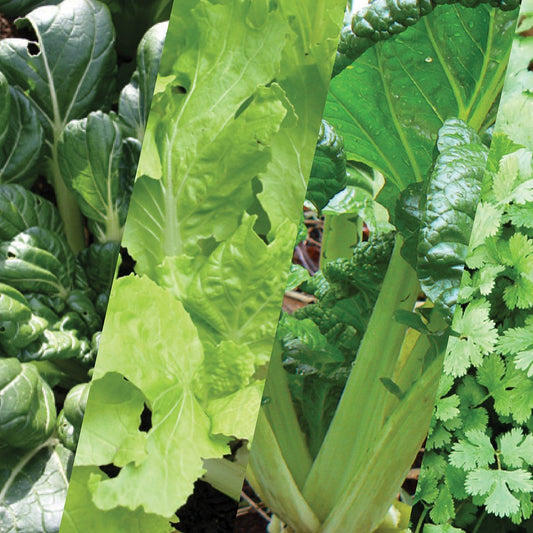
An ideal vegetable choice. Grown from seed, they are direct sown now. They are easy and quick to germinate and their life cycle is short. They enjoy the cooling days and even moisture levels and can be re-sown as needed almost all through winter, in temperate, frost free areas.
Herbs
Also ideal to plant at this time. Coriander, the bane of a lot of gardeners’ lives, can be direct sown from seed quite easily and should not bolt or flower until spring, giving you the winter to harvest those wonderful aromatic leaves. In autumn, parsley is better planted as seedlings as are most perennial herbs such as chives, oregano, marjoram, rosemary and mint (please, always plant mint in a pot, just in case it gets a bit too enthusiastic!).
Leafy Greens
Leafy greens such as English Spinach, silverbeet, lettuce, endives and chicories are a great stand by and provide an easy, low maintenance crop for autumn planting. Rainbow Chard, the coloured stemmed version of plain old silverbeet, provides a visual feast and lifts a dreary winter with bursts of surprising colours.
Planting the various forms of lettuce and chicories also enhances the palette of colours in your garden, for the cooler temperatures enrich the shades of these leafy nutritious wonders.
Onions
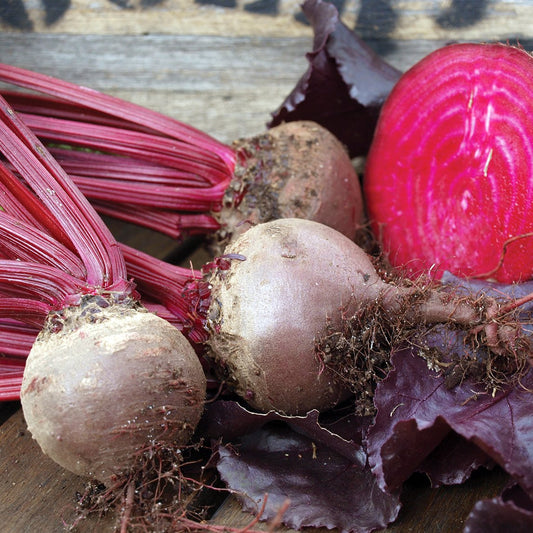
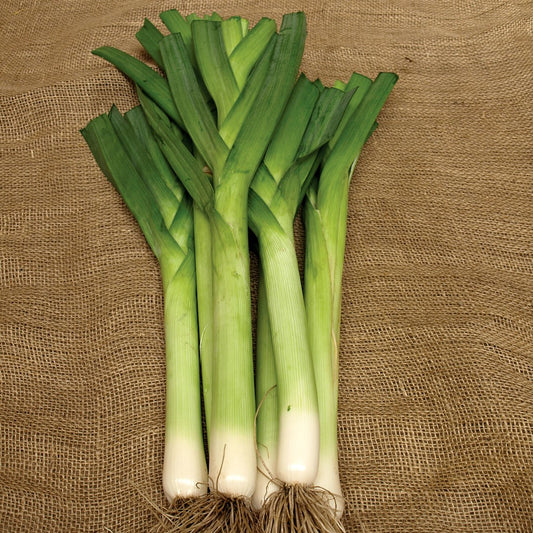
Aficionados, try seeds of spring onions, leeks, early white salad onions as well as shallots, grown more typically by bulb in a similar fashion to garlic. Root vegetables such as beetroot, carrot, parsnip, turnip, swedes can also be sown in early March, any later and you may find that they grow all winter without much root growth and then bolt away in spring, a tad disappointing! Peas will also do well sown now if you are frost free area.
For the tropics and subtropics, the planting choices are seemingly limitless at this time. All the warm season crops that gardeners in the south are harvesting now – like tomatoes, capsicums, eggplant, sweet corn, sweet potatoes, beans, carrots, spring onions and lettuce – can all be planted in your areas.
Green Manures
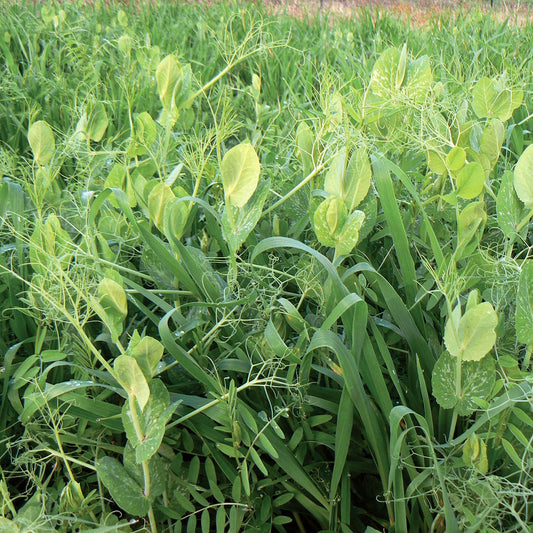
Ideally planted in autumn. The idea is to enhance the fertility of the soil by planting a crop that will ultimately be fully returned back into your garden beds. It gives your beds a ‘rest’ from producing vegetables, acts as a weed suppressant and, when incorporated with crop rotations, is a key part of a good garden plan.
The manure crop is direct sown and grown until flowers start to form, which indicates the optimum time to dig the crop back into the soil. By slashing or mowing prior to digging in, decomposition is hastened and the physical task is made much easier on you! Allow at least one month before planting new crops in these beds.