
Aphids - What are they and how to treat
Aphids are sap sucking pests, they spread disease, distort new growth, excrete honeydew, which attracts ants and leads to sooty mould which in turn reduces photosynthesis ultimately reducing plant health.

As the weather warms it’s time to monitor your garden for aphids on fresh spring growth and in the veggie patch - brassicas and cabbages are particularly susceptible.
What are Aphids?
Aphids are sap sucking pests, they spread disease, distort new growth, excrete honeydew, which attracts ants and leads to sooty mould which in turn reduces photosynthesis ultimately reducing plant health.
How to identify Aphid damage
How to control and reduce Aphids
Aphid numbers can escalate rapidly, so try to get them under control before reproduction starts.
Beneficial insects such as ladybugs, lacewings and parasitic wasps will feed on aphids, so it’s possible that they’ll naturally reduce the numbers without you having to take any action and by allowing these insects to feed within your garden you are supporting their presence.
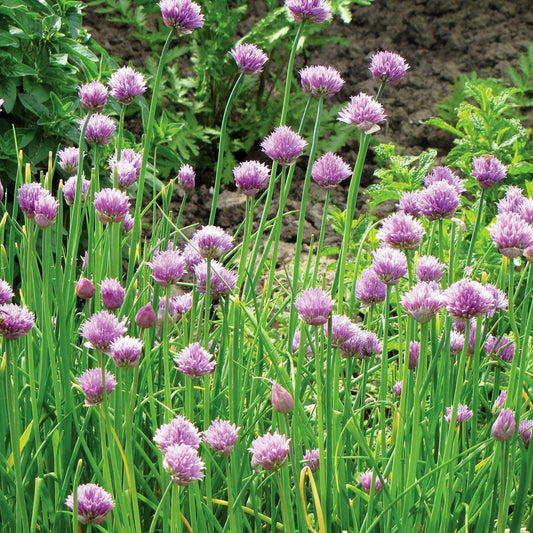
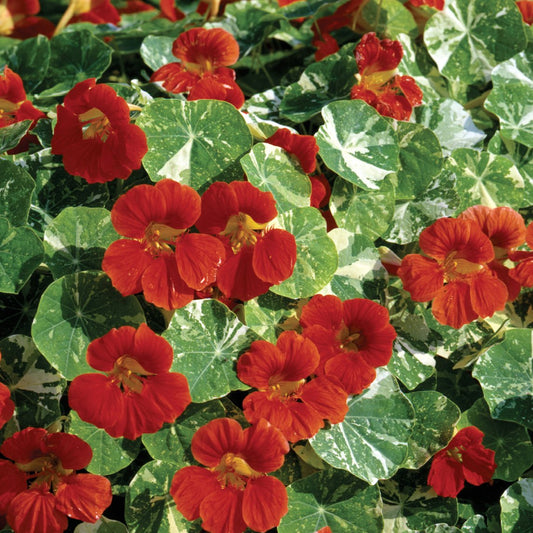
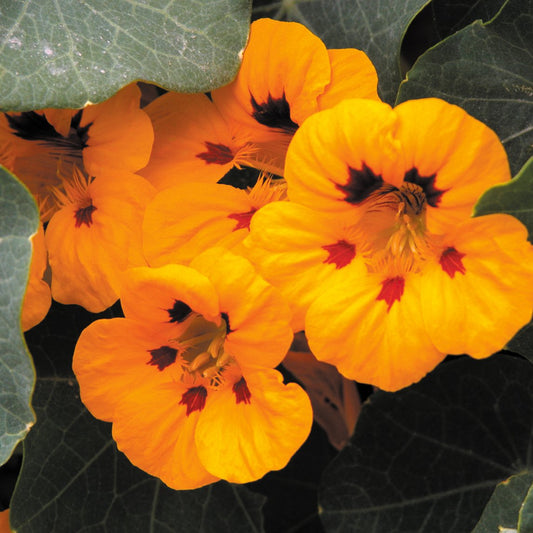
Companion plants like catnip, garlic & chives repel aphids. For the opposite effect aphids are attracted to mustard & nasturtium so you can use these as trap plants to keep them away from the those you want to protect.
How to remove Aphids
- To actually remove the aphids start by spraying them off with a jet of water.
- Wipe or spray leaves of the plant with a mild solution of water and dish soap, Diatomaceous earth, a non-toxic, organic material can be dusted on and will dehydrate aphids.
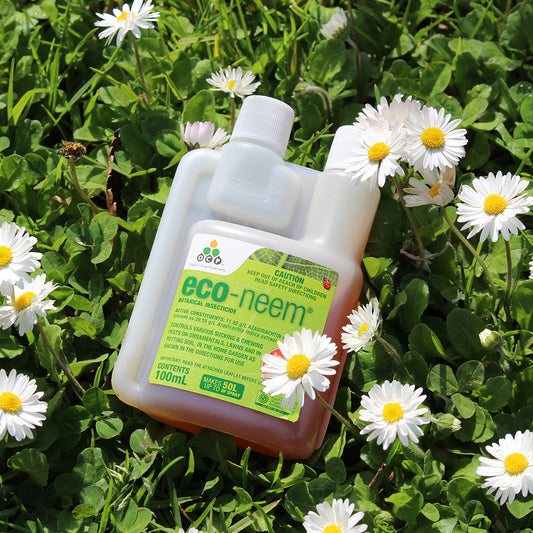
- Finally try Eco-Neem, another organic solution for gardeners derived from the Neem tree.
More in Learn

Pest and Disease Control in the Garden
Bill Bampton shows that most garden problems are caused by poor plant placement and selection.

What are these white spots on my peas?
White spots on peas is a powdery mildew, a common fungal disease which spreads quickly when the days are warm and dry, but nights are chilly with dewy...


What is Peach Leaf Curl?
If you don’t treat your trees, then you’ll get reduced yields and the fruit you do get will be small and deformed.
Featured Products
Member
$4.17
Retail
$5.95
Member
$45.13
Retail
$47.50
Member
$4.17
Retail
$5.95
Member
$4.17
Retail
$5.95