
All about lavender
Highly fragrant hardy plants suited to dry and coastal gardens, it's time to take a new look at an old favourite.

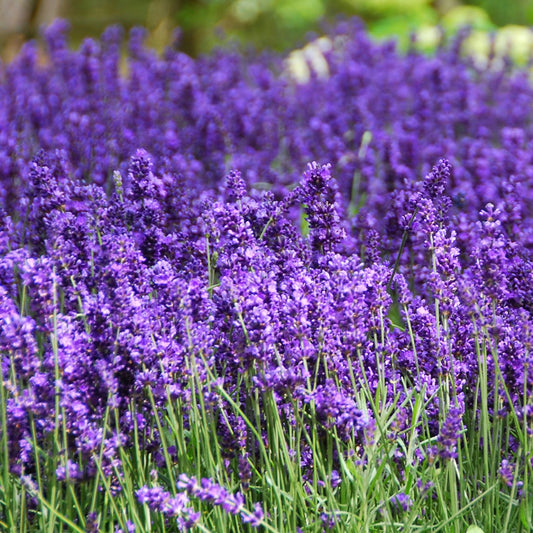
Few plants can rival the beauty of a field of lavender (Lavandula sp.) in full blooms. Resilient plants with glorious grey foliage and masses of fragrant flower spikes, they are reliable, compact and completely charming, finding a place in most garden styles. With aromatic foliage and flowers, lavenders perfume the garden throughout the year, bringing bees to the garden in abundance.
Mediterranean plants, Lavenders are well suited to areas in Australia with dry summers. As an evergreen perennial, they do not lose their leaves, but their growth will slow during a hot, dry summer and cold winter.
Not only an attractive addition to the garden, lavender also offers structure and form and is often clipped to create neat mounds or fragrant hedging.
Lavender flowers are popular as dried bouquets or for use in lavender bags to scent drawers and cupboards, or as an aid for a relaxing sleep.
The silver felted foliage of lavender contrasts well with other foliage and flowers in a Mediterranean style garden, and the foliage and fragrance also complement roses within a cottage garden.
Benefiting from vigorous pruning after flowering to prevent the centre of the shrub dying out, some lavenders will flower on and off throughout the year, so choose your pruning season, such as early spring, and stick to it. Growing anywhere from 0.5-1.5m, pruning will also help to maintain compact healthy growth.
All lavenders prefer slightly dry soils, thriving in Mediterranean climates and coastal conditions.
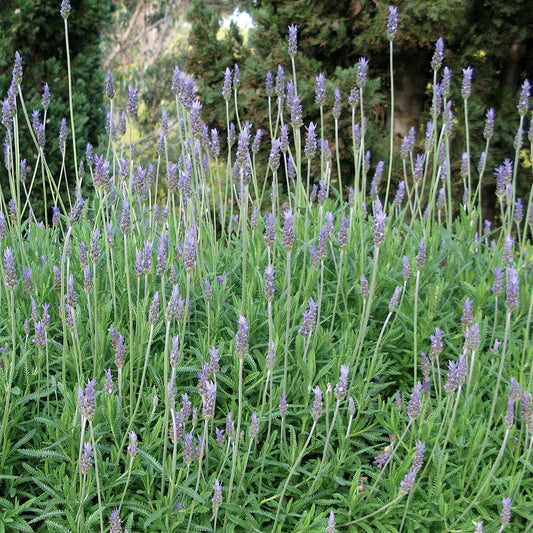
There are several species and varieties of lavender available, and most vary in leaf and flower shape, with subtle differences in flower colour and form - which is more reason to start a collection of your own today.
Easy to Grow
Lavenders are no fuss plants that thrive in a well-drained, full sun position and are well-suited to dry and coastal gardens.
Tip prune when plants are young to encourage dense growth. Trim and deadhead after flowering but never cut back into hardwood. Do not prune heavily during cool months, especially if you live in a cold climate where the plants are less resilient.
If planting in a dry position, consider planting in autumn to allow plants to establish over the cooler months before the heat of summer arrives.
Featured Products

Member
$9.72
Retail
$12.95
Member
$8.42
Retail
$12.95
Member
$9.72
Retail
$12.95