
5 ways to prepare your garden for summer
While it is nice to take some time out to enjoy the summer, regular garden inspections will help to keep your garden healthy and productive.

Summer is usually a busy time in the garden with crops to harvest, flowers to pick and shade to enjoy. While it is nice to take some time out to enjoy the summer, regular garden inspections will help to keep your garden healthy and productive.
1. Don’t sow all your crops at once
Successional sowing of vegetable seeds will help keep your garden productive. The best crops to sow a little at a time for a continuous supply includes lettuce, spring onions, carrots, radish, beetroot and Asian greens. This helps to keep your vegie patch brimming with fresh produce throughout the season. If you’re not sure what to sow in your garden and when, check out our seeds to sow now guide.
2. Watch for fungal infections
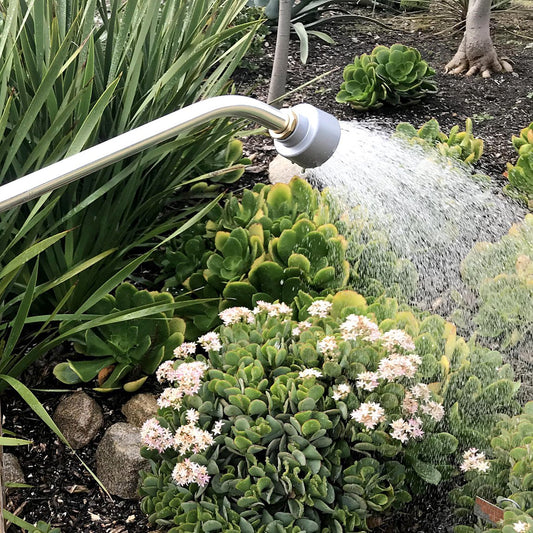
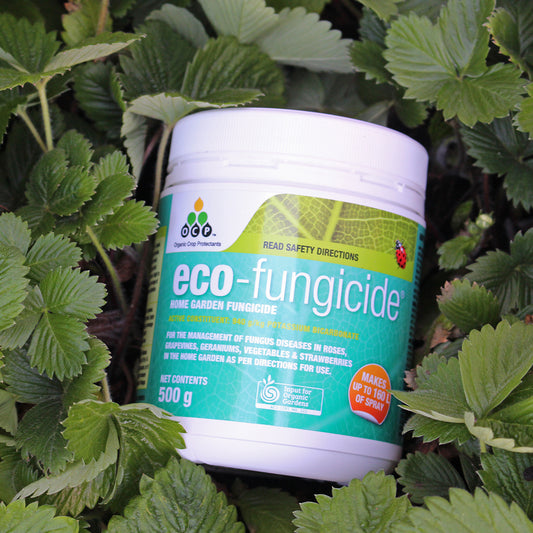
Tomatoes, eggplant, capsicum and chilli will all appreciate an application of fertiliser and fortnightly treatments of seaweed solutions to keep plants productive as they start to bear their summer crops. While it is important to water regularly, avoid overhead watering as this can encourage moulds and fungal infections and always water in the morning rather than evening. A great way to target the roots is with a watering wand which helps you get to the root zone among the foliage. Be watchful for signs of infections. Treat as soon as symptoms appear by removing infected leaves and spraying with Eco Fungicide.
Zucchini, cucumber, pumpkin and squash are all highly susceptible to powdery mildew. Be sure to water the roots and not the leaves. If you notice powdery mildew, remove infected leaves and treat with a baking soda solution or milk spray.
3. Net your crops
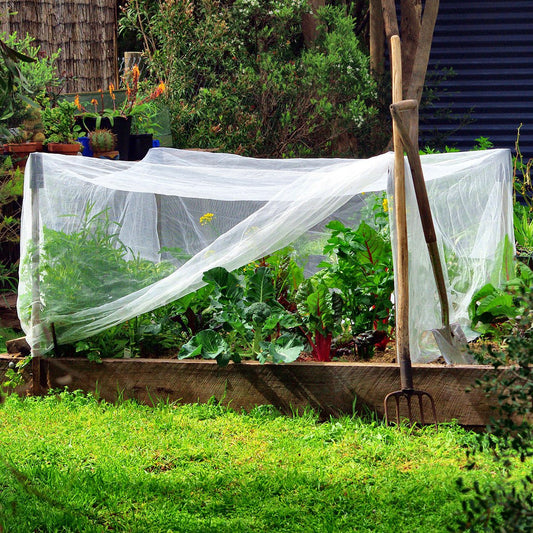
As summer arrives, our stone fruits begin to ripen, and if you want to enjoy the majority of your harvest, you’ll need to net against birds and possums.
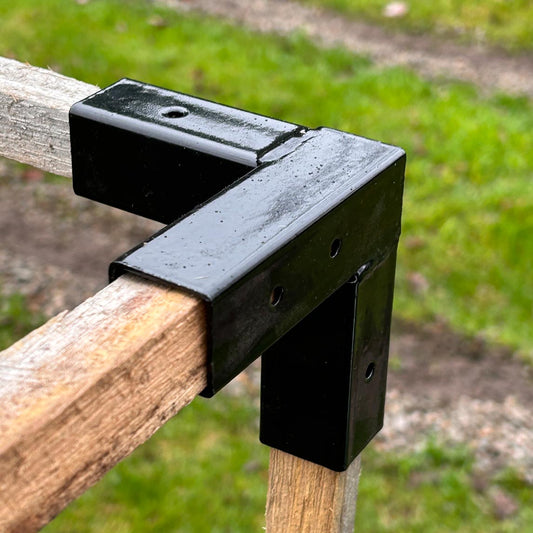
Garden netting is simple if you set up a structure to hold the net in place. This also prevents the nets from damaging the trees. Our powder-coated steel Build-A-Brackets can be used with hardwood stakes to create a square or rectangular frame to net vegie garden beds and fruit trees.
Alternatively, you can use star pickets and flexible PVC piping to create a frame over your fruit trees and garden beds. Watch our easy instructional video.
Leave nets in place until all fruit has been harvested, then roll them up and store them for next year.
Nets can also help newly established avocado trees to cope with prevailing weather conditions protecting them from harsh sun, unseasonal hail and frosts. Once established, avocadoes are highly productive and quite resilient, but while they gain their footing in the garden, a little TLC goes a long way.
4. Enjoy your harvest
Many crops should be picked regularly in order to produce even higher yields. Pick beans, zucchini, squash and cucumber as soon as crops ripen to encourage further fruiting. You’ll be surprised at how much produce you can collect from a single plant when you tend to the vegie garden daily. Use snips or secateurs to prevent damage to the main plant which may otherwise increase the risk of pests and diseases.
5. It’s never too late to mulch
Mulch is not only a great way to reduce weeds and weed competition, it is also one of the easiest ways to improve soil structure and encourage biodiversity in your soil. Annual applications of mulch are usually done around peak planting times such as autumn and spring but can also be applied during summer. Home-made compost is an excellent and affordable way to mulch the garden and helps to close the loop from growing great garden produce at home, to replenishing your soils.
Summer is an abundant time of the year, and one of the best seasons to enjoy the fruits of your labour.
More in Learn

Caring for your summer vegetable garden
Follow all our top tips on caring for your vegetable patch in summer.
Featured Products
Member
$37.20
Member
$29.93
Retail
$31.50
Member
$26.25
Retail
$35.00
Member
$22.80
Retail
$28.50